Facebook
Instagram
Twitter
Login
Healthy Eating
Antioxidants
Fats
Recipes
Weight Management
Vitamins & Supplements
Exercise & Mobility
Heart Health
Cholesterol
Hypertension
Stroke
Healthy Mind
Alzheimers
Improving Memory
Mood
Aging
Shop
🛒
Subscribe
Give a Gift
Search
Facebook
Instagram
Twitter
Activate My Web Access
Subscribe
Give a Gift
Products
Customer Service
Free e-newsletter
My Account
Reset Password
Log In
Sign in
Welcome! Log into your account
your username
your password
Forgot your password? Get help
Privacy Policy
Password recovery
Recover your password
your email
A password will be e-mailed to you.
Tufts Health & Nutrition Letter
#7213 (no title)
About
Cart
Checkout
Contact the Editor
Contact Us
Content restricted
Customer Service
Glossary
Nutrition 101 – Glossary – J
Nutrition 101 – Glossary – K
Nutrition 101 – Glossary – L
Nutrition 101 – Glossary – M
Nutrition 101 – Glossary – N
Nutrition 101 – Glossary – O
Nutrition 101 – Glossary – P
Nutrition 101 – Glossary – Q
Nutrition 101 – Glossary – R
Nutrition 101 – Glossary – S
Nutrition 101 – Glossary – T
Nutrition 101 – Glossary – A
Nutrition 101 – Glossary – B
Nutrition 101 – Glossary – C
Nutrition 101 – Glossary – D
Nutrition 101 – Glossary – E
Nutrition 101 – Glossary – F
Nutrition 101 – Glossary – G
Nutrition 101 – Glossary – H
Nutrition 101 – Glossary – I
Nutrition 101 – Glossary – U
Nutrition 101 – Glossary – V
Nutrition 101 – Glossary – W
Nutrition 101 – Glossary – X
Nutrition 101 – Glossary – Y
Nutrition 101 – Glossary – Z
Manage Email
My Account
Current Issue
OFIE – Subscriber only
Online Account Activation
Privacy Policy
Products
Products
Register
Register
Registration Complete
Registration Complete
Sample Page
Subscribe
Subscribe Now
Tufts & Health Nutrition
Tufts & Health Nutrition | JH Inforce
Tufts & Health Nutrition | JHV Employee
Tufts & Health Nutrition | John Hancock
Tufts & Health Nutrition | Manulife Asia
Tufts & Health Nutrition | Manulife Vitality
Tufts & Health Nutrition | NU101
Tufts & Health Nutrition | Tufts Employees
Login
Healthy Eating
All
Antioxidants
Fats
Recipes
Weight Management
100% Fruit Juice Intake Associated with Weight Gain
Dance Can Help with Weight Loss and Body Composition
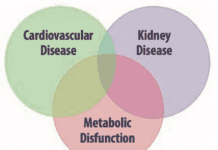
Are You at Risk for CKM Syndrome?
Spring Veggies
Vitamins & Supplements
Vitamin Supplements: Yes, or No?
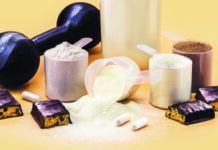
Dietary Supplements for Sports Performance
Melatonin Supplements
The Truth about “Brain-Boosting” Supplements
Many Herbal Products Found to Have Substantial Quality Issues
Exercise & Mobility
Dance Can Help with Weight Loss and Body Composition
Let’s Get Moving!
Even a Little Physical Activity May Lower the Risks of Sedentary…
How to Stick to Those Resolutions!
Activity—of All Kinds—Can Help Lower Blood Pressure
Heart Health
All
Cholesterol
Hypertension
Stroke
A Large Analysis Clarifies the Concerns About Ultraprocessed Foods
Replace Animal-Based with Plant-Based Foods for Cardiometabolic Health
Are You at Risk for CKM Syndrome?
Where Does Poultry Fit In?
Healthy Mind
All
Alzheimers
Improving Memory
Mood
A Large Analysis Clarifies the Concerns About Ultraprocessed Foods
Hear Ye! Hear Ye!
Healthy (But Not Unhealthy) Plant-Based Diets Associated with Lower Parkinson’s Risk
For Prevention of Cognitive Decline, Reduced Calorie MIND Diet Not Superior…
Aging
Let’s Get Moving!
Consuming Plant Protein in Midlife Can Help Women Age Well
Is Olive Oil the Best Choice?
Making Time for Healthy Behaviors
Even Healthy, Normal-Weight Older Women May Benefit from a Heart-Healthy Lifestyle
Shop
🛒
Subscribe
Give a Gift
Healthy Eating
Eight Cups of Water a Day: Fact, or Fiction?
March 23, 2023
General Nutrition
Savoring Seaweed
April 20, 2023
Healthy Eating
Delicious, Nutritious Mexican Food
April 11, 2023
Latest
Exercise & Mobility
Let’s Get Moving!
Special Reports
Vitamin Supplements: Yes, or No?
Spring Veggies
April 22, 2024
Are You at Risk for CKM Syndrome?
April 22, 2024
Consuming Plant Protein in Midlife Can Help Women Age Well
March 20, 2024
Intake of Dietary Fiber Associated with Lower Risk of Death
March 20, 2024
Don't Miss This Recipe
Crispy Sheet Pan Salmon with Asparagus
Recipes
1. Cut salmon into equal portions. 2. Pre-heat the oven to 425°F. Line a rimmed baking sheet with foil. Place salmon on the baking sheet....
Read more
From the Experts
Ask the Experts
Grass-fed vs Grain-fed Beef
Q: Is there really a difference in the nutritional value of meat from grass-fed and grain-fed cattle? A: Judith C. Thalheimer, RD, LDN, executive...
Ask the Experts
Daily Food Choices
Q: Are there any foods we should eat every single day? A:Diane L. McKay, PhD, an assistant professor at both the Friedman School of Nutrition...
Getting Enough Iodine When Cutting Salt Intake
Ultra-pasteurized Milk
Eggs or Egg Whites?
Apple Cider Vinegar … Salt vs. Sodium … Ketone Drinks …